

 See My Latest Article on HelloNation
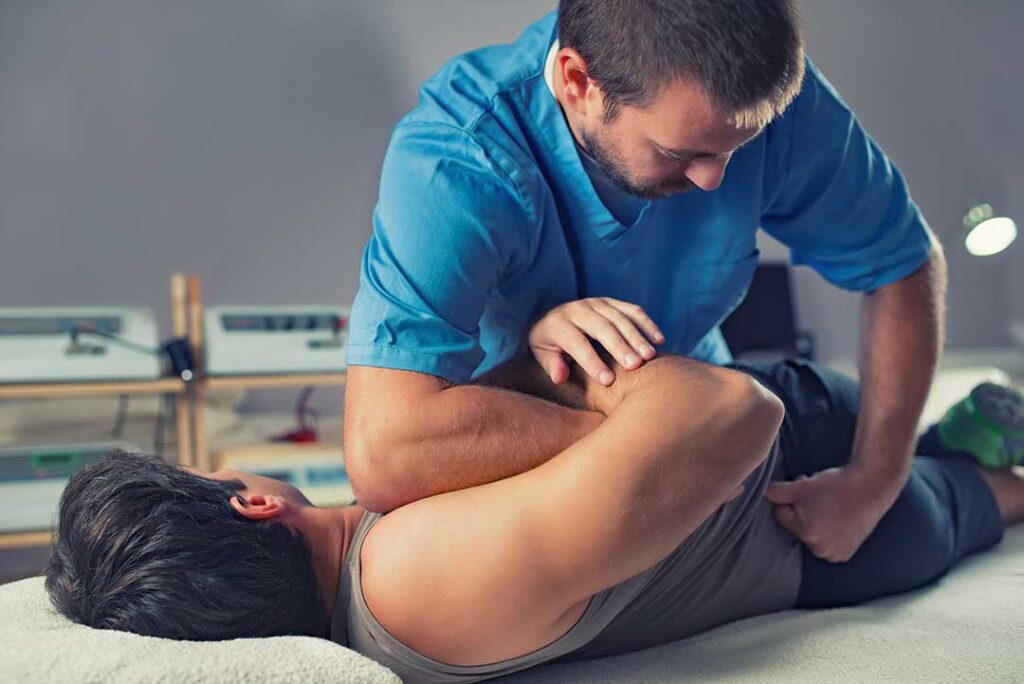
What Causes Tension Headaches for Local Residents?
Tension headaches are a frequent complaint in San Tan Valley, AZ, often triggered by tight muscles in the neck, shoulders, or upper back. Common culprits include long hours at computers, looking down at mobile devices, or stress—situations familiar to many households in the area. Dry weather and dehydration can also worsen muscle tightness, increasing headache risk.
Are Stretches Effective for Relieving Tension Headaches?
Gentle, targeted stretches can help relax tight muscles that contribute to tension headaches. While not a cure-all, most people find that consistent stretching reduces headache frequency and severity by easing physical stress and improving blood flow. Always move slowly and stop any exercise that causes pain beyond mild discomfort.
Which Stretches Are Most Helpful, and How Should They Be Done?
Several simple stretches are especially effective for headache relief. Each can be done at home or at a work desk, making them practical for residents with a busy schedule.
Neck Side Stretch
- Sit or stand upright.
- Slowly tilt your head to bring your right ear toward your right shoulder.
- Hold the stretch gently, keeping your shoulders relaxed, for 20–30 seconds.
- Switch sides and repeat.
Chin Tuck
- Sit tall with shoulders back.
- Gently pull your chin straight back to make a “double chin.”
- Hold for 5 seconds, then relax. Repeat 5–10 times.
- This helps counteract the forward head posture common with computer or tablet use.
Shoulder Shrug and Release
- Lift both shoulders up toward your ears while taking a deep breath in.
- Hold for 2–3 seconds, then fully release your shoulders as you exhale.
- Repeat 5–8 times.
Upper Trapezius Stretch
- Sit or stand upright.
- Gently place your right hand on top of your head, then guide your head down toward your right armpit for a mild stretch along the left side of your neck.
- Hold 20–30 seconds, then repeat on the other side.
Seated Levator Scapulae Stretch
- Sit upright in a chair.
- Turn your head about 45 degrees to the right, then gently bring your chin toward your chest.
- Reach your hand over your head to apply light pressure and increase the stretch.
- Hold 15–20 seconds; repeat on the other side.
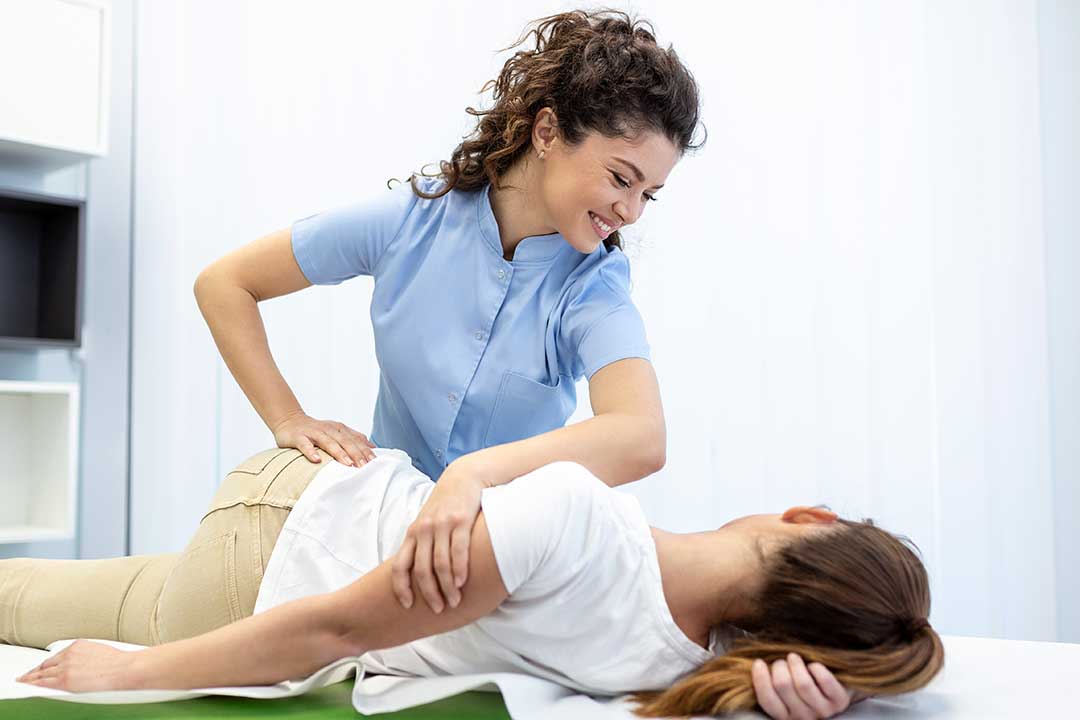
These techniques can supplement good posture and ergonomic habits in local schools, home offices, or other workspaces.
How Often Should These Stretches Be Performed?
For best results, these stretches can be performed 1–2 times daily, especially during periods of computer use, studying, or after yardwork. Do not rush. Gentle and regular stretching tends to be more effective than intense, sporadic sessions.
Some area residents find it helpful to set a recurring reminder on their phones or smart speakers, especially during hot summers when hydration and rest breaks are also important.
Are There Stretches or Movements to Avoid?
Not every stretch is suitable for everyone. Movements involving sudden neck rotation, extreme bending, or forceful pulling should be avoided, as these can strain sensitive structures and worsen headaches. Anyone with recent trauma, suspected spinal issues, or persistent pain should avoid self-stretching until they have received proper evaluation.
Individuals with certain medical conditions or a history of severe headaches (such as migraine or neurologic symptoms) should approach stretching with extra caution.
What Other Home Strategies Can Enhance the Effects of Stretching?
Stretches work best when included as part of a broader self-care routine. Residents find added relief from:
- Using a cool compress on the neck or forehead
- Practicing deep diaphragmatic breathing during stretching
- Taking breaks from screens and bright lights, especially mid-day in bright, sunny seasons
- Staying hydrated, as warm, dry weather can speed fluid loss
- Adjusting pillow height or sleeping position to promote neck comfort
Small modifications in day-to-day living, like performing stretches while waiting for the coffee maker or after yardwork, can make integration easier.
What Are Common Misconceptions About Tension Headache Relief?
A frequent misconception is that more intensity produces faster results; in reality, gentle, regular movements are safer and more effective. Another common misstep is neglecting posture throughout the day—poor desk habits or prolonged sitting can undo the benefits of occasional stretching. Many residents also underestimate how much dehydration or high outdoor temperatures can contribute to muscle tension, especially in arid climates.
Is There a Time When Medical Attention Is Necessary?
Mild headaches related to posture or muscle tension usually respond well to self-care and stretching. However, if headaches are severe, frequent, accompanied by confusion, vision changes, or follow a recent injury, prompt medical evaluation is essential. Stretching should never be used as a substitute for medical treatment in such cases.