

 See My Latest Article on HelloNation

Can Poor Posture Actually Lead to Headaches?
Yes, poor posture can contribute to headaches—particularly tension-type and some cervicogenic headaches. Many people in San Tan Valley spend significant time working at desks, using computers, or looking down at mobile devices. Over time, these habits can place extra strain on the muscles and joints of the neck and upper back.
When posture is slouched or when the head juts forward (known as "tech neck"), specific muscles at the base of the skull may become tight and irritated. This tension can send pain upward, creating headaches that often feel like a tight band around the head, pain at the base of the skull, or even discomfort radiating toward the forehead or behind the eyes.
What Types of Headaches Are Most Linked to Posture?
Tension-type headaches and cervicogenic headaches are commonly linked to posture issues.
- Tension headaches: Characterized by dull, aching pain, often felt on both sides of the head. They are usually related to tight neck and scalp muscles.
- Cervicogenic headaches: Originating from issues in the neck, with pain often starting at the base of the skull and spreading upward.
Residents who frequently experience these symptoms, especially while working in front of screens or after long periods of sitting, might be dealing with posture-related headaches.
Why Does Posture Affect Head and Neck Muscles?
Slumped sitting or standing with rounded shoulders and a forward head position increases strain on the muscles that support the head. Gravity pulls the head forward, so the muscles at the back of the neck must work even harder to hold the head up. Over time, this can cause:
- Tightness in the muscles at the base of the skull and top of the shoulders
- Reduced movement and flexibility in the neck joints
- Irritation or compression of small nerves in the neck or upper back
This combination can set the stage for nearly constant low-level pain that sometimes spikes into a headache.
Are Some People in San Tan Valley More Likely to Get Posture-Related Headaches?
Residents of the city may be more susceptible to these headaches depending on their routines, such as:
- Long hours spent driving or working at a computer (whether for work or school)
- Frequently using smartphones or tablets while looking down
- Lack of breaks during seated activities
- Infrequent movement or stretching, especially during hot summer months when people might avoid outdoor activity
Families with students and remote workers—both increasingly common in San Tan Valley households—should be especially mindful of everyday postural habits.
Can Hot Weather in San Tan Valley Make Posture-Related Headaches Worse?
High summer temperatures can encourage more time indoors and sedentary habits. Residents may find themselves sitting for longer periods in air-conditioned rooms, which sometimes encourages slouching or a lack of movement. Heat can also contribute to dehydration, which itself may make headaches more likely.
Ensuring regular movement and maintaining hydration can help counteract these factors. Consider setting reminders to move every hour and drinking water consistently, especially during the hottest months.
What Are Signs That a Headache Might Be Linked to Posture?
Some clues can help determine whether posture is playing a role:
- The headache tends to get worse after activities requiring sitting or looking down
- There is neck, shoulder, or upper back discomfort in addition to the headache
- The pain improves after standing, moving, or stretching
- There is no history of migraine or sinus issues, and over-the-counter headache remedies provide only partial relief
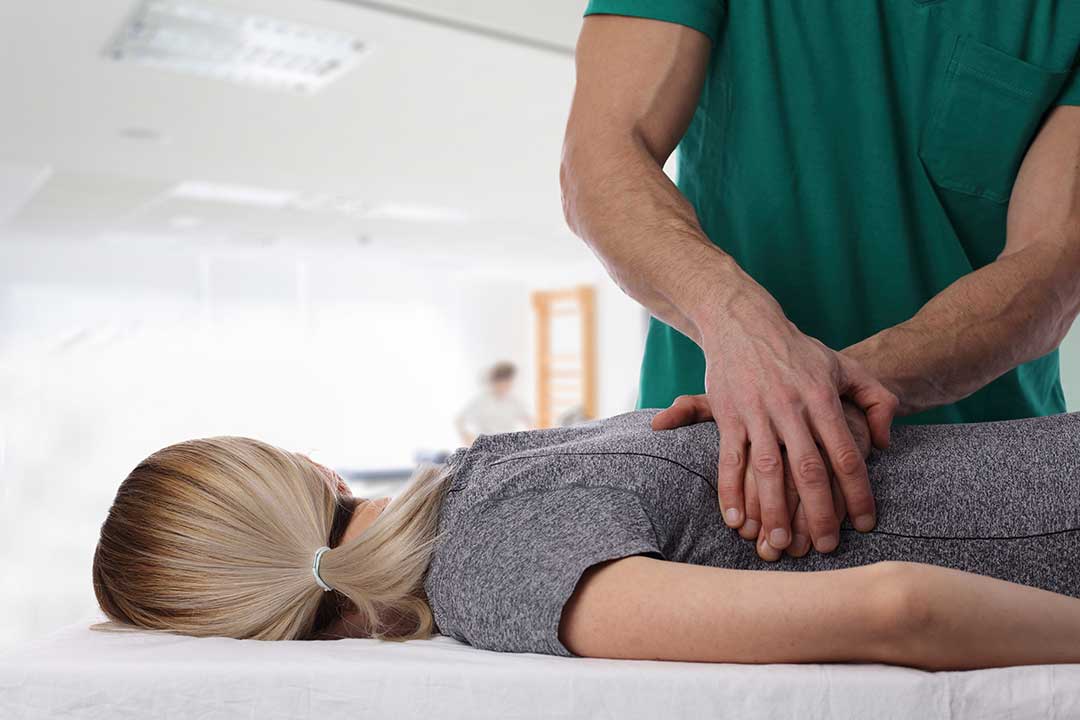
If headaches follow these patterns, they may be related to posture or musculoskeletal tension.
How Can Local Residents Improve Their Posture to Reduce Headaches?
Small changes in daily habits can make a meaningful difference:
- Use supportive chairs that encourage an upright position with feet flat on the floor
- Adjust computer screens so the top of the screen is at or just below eye level
- Take standing or stretching breaks every 30-60 minutes
- Avoid cradling the phone between the ear and shoulder
- Practice gentle neck and shoulder stretches throughout the day
During hot weather, many in the city adjust their routines to stay inside; using that indoor time for guided stretching or simple posture checks can be helpful.
Are Old Injuries or Health Conditions a Factor?
Previous injuries to the neck or upper back, such as from vehicle collisions or sports, may increase sensitivity in the area. Chronic conditions like arthritis or reduced flexibility can also make poor posture more problematic, leading to headaches.
Anyone with a history of neck trauma, severe arthritis, or persistent symptoms should be cautious and consider discussing options for safe exercise and posture improvement.
What Are Common Misconceptions About Headaches and Posture?
A few myths tend to circulate:
- That posture causes all forms of headache—Migraine and sinus issues are distinct from posture-related headaches.
- That only adults experience posture-related headaches—Children and teens in the area, especially those with heavy backpacks or lots of screen time, are also at risk.
- That posture correction fixes headaches instantly—Improvements are gradual and often require consistency, patience, and sometimes, a combination with other lifestyle changes.
When Should Someone Seek Further Help for Headaches?
Most posture-related headaches can improve with simple changes to daily habits. However, headaches that are severe, sudden, worsening over time, or associated with other symptoms like vision changes, dizziness, or fever deserve prompt attention from a medical professional to rule out underlying causes.