

 See My Latest Article on HelloNation

What Is a Herniated Disc?
A herniated disc happens when a cushion-like disc between the bones of the spine (vertebrae) bulges or leaks, commonly leading to pain or nerve symptoms. In adults, each vertebra is separated by discs that allow movement and act as shock absorbers. Over time—or due to injury—a disc can weaken, and the softer inner part may press through the tougher outer shell.
People in San Tan Valley may notice symptoms including:
- Back pain, sometimes spreading into the legs or arms
- Tingling, numbness, or weakness along the affected nerve
- Symptoms that worsen with certain movements, lifting, or after sitting for long periods
Herniated discs most often affect the lower back (lumbar spine), but can also appear in the neck (cervical spine).
—
Why Do Herniated Discs Happen?
Herniated discs commonly develop due to age-related changes; as people grow older, discs lose water content, becoming more prone to tears or ruptures. Sometimes, a sudden strain from lifting heavy objects, a fall, or a twist can damage a disc.
Other risk factors for local residents include:
- Repetitive motions (common with some jobs or hobbies)
- Driving long distances on the area's highways, which can put pressure on the spine
- A sedentary lifestyle, which may leave core muscles too weak to support the back
- Smoking, which reduces blood supply to spinal tissues
It's uncommon for a single event like a minor household activity to cause a herniated disc unless the disc is already weakened.
—
What Are Common Myths About Herniated Discs?
Many misconceptions cause unnecessary worry or delay proper care:
- Not all herniated discs cause severe pain—some cause only mild discomfort, or no symptoms at all.
- Surgery is rarely the first or only option. Many cases improve with careful management and time.
- Fully resting in bed often slows recovery. Staying gently active (within comfort) helps most people heal better.
- People of all ages can experience disc issues, though they're most frequent in those aged 30–50.
—
How Does Chiropractic Care Address Herniated Disc Symptoms?
Chiropractic care takes a holistic approach, focusing on the health of the spine and surrounding muscles. Chiropractors use precise, controlled adjustments and other physical techniques to reduce discomfort and support healing.
Common chiropractic approaches for herniated discs may include:
- Gentle spinal adjustments (when appropriate), aiming to improve movement and ease nerve pressure
- Guidance on safe stretches and strengthening exercises
- Advice tailored to daily life, such as posture tips for local weather (heat can increase inflammation), or safe ways to garden or work in the yard
A thorough assessment—including understanding health history, local lifestyle, and potentially reviewing imaging like MRIs or X-rays—is standard before any manual therapy begins.
—
Who Might Benefit From Chiropractic Approaches?
Individuals with mild to moderate symptoms who do not have signs of severe nerve impairment sometimes find improvement with noninvasive chiropractic care.
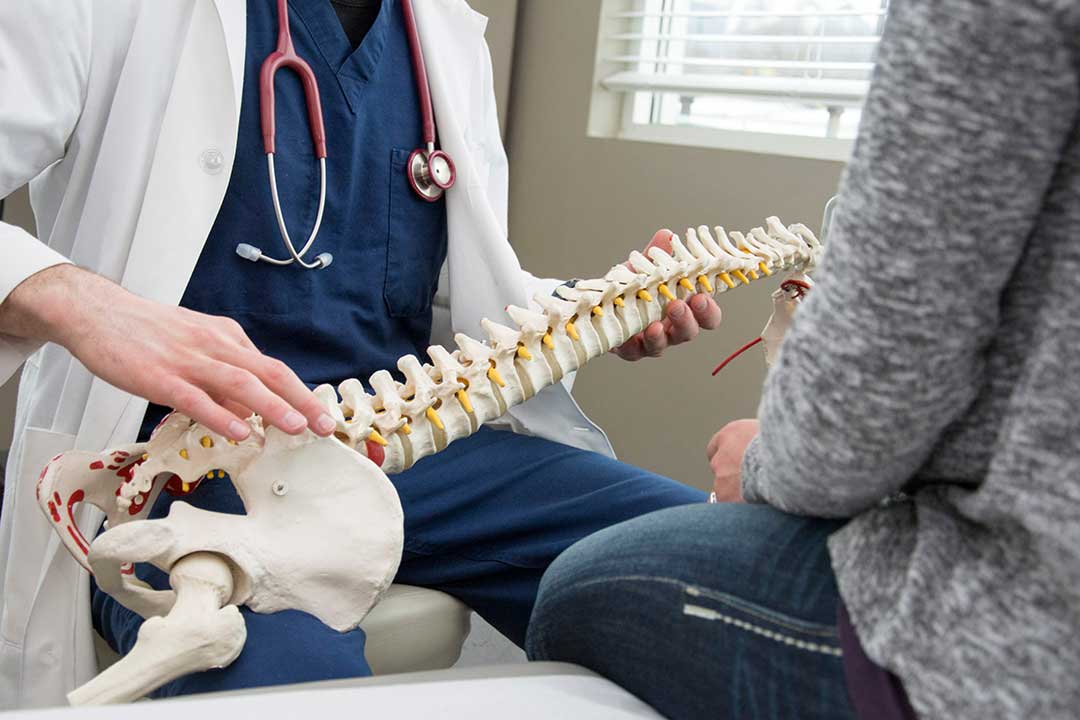
People with the following should promptly seek medical evaluation, as symptoms may require a different care plan:
- Loss of control over bladder or bowels
- Significant weakness or numbness in the legs
- Pain that is worsening rapidly
Chiropractic care is often just one part of an overall management strategy, which may include medication, physical therapy, or self-care routines.
—
How Can Local Residents Protect Their Spines?
Prevention and self-care are important for everyone, whether dealing with an existing disc issue or aiming to avoid one:
- Use proper lifting techniques—bend at the knees, keep objects close to the body, and avoid twisting while carrying
- Take breaks during long car rides or desk work, and gently stretch or move the back
- Stay active with activities suitable for local climate, such as early-morning walks before daytime heat increases inflammation
- Maintain a healthy weight to reduce spinal strain
- Use supportive seating, especially if working from home or in local offices for extended periods
Seasonal changes in the city, like sudden cold spells or monsoon humidity, may sometimes increase joint stiffness; gentle regular movement can help keep the back comfortable.
—
What Should You Ask if Considering Chiropractic Care for a Herniated Disc?
If chiropractic therapy is being considered, it’s wise to ask:
- What experience do local practitioners have with disc-related symptoms?
- How do they determine whether chiropractic techniques are safe for your situation?
- What self-care or activity modifications do they recommend for people in this area?
- How will your treatment be coordinated with other healthcare providers if necessary?
Informed questions help ensure the chosen approach is evidence-based and tailored to individual needs and local lifestyle.